
Most service businesses lose leads not because of bad marketing, but because no one followed up in time. A potential customer fills out a form, sends a message, or books a callback, and then life gets busy. By the time someone reaches out, the lead has already moved on. AI follow-up automation solves this problem by making sure every lead gets a timely, relevant response without anyone on your team having to remember to do it.
This guide breaks down exactly how AI follow-up automation works, why it matters for service-based businesses, and what to look for when choosing a system that actually moves leads forward.
What Is AI Follow-Up Automation?
AI follow-up automation is a system that monitors lead activity and automatically sends personalized messages when a prospect goes quiet or takes a specific action. Instead of relying on a salesperson to remember to call back or send a follow-up email, the system handles it based on rules, timing, and behavior triggers you set in advance.
This is very different from traditional follow-up, where someone on your team has to manually check a CRM, identify which leads need attention, and then reach out one by one. That process is slow, inconsistent, and easy to skip when things get busy. AI follow-up automation removes that friction entirely. The moment a trigger condition is met, such as a lead going 24 hours without a response or abandoning a booking form midway, the system kicks in automatically.
Platforms like GetDMFlow are built specifically to handle this kind of intelligent follow-up for service businesses. The system tracks where each lead is in the pipeline, detects when they go inactive, and sends the right message through the right channel at the right time. That could be an SMS, an email, or a chat message, depending on how the lead first reached out.
The AI component adds a layer of personalization that basic email sequences cannot match. Instead of sending the same template to everyone, the system adapts the message based on what the lead did, where they came from, and how they have engaged so far. This makes the outreach feel more human and less like a bulk broadcast.
How the System Detects Lead Inactivity and Trigger Events
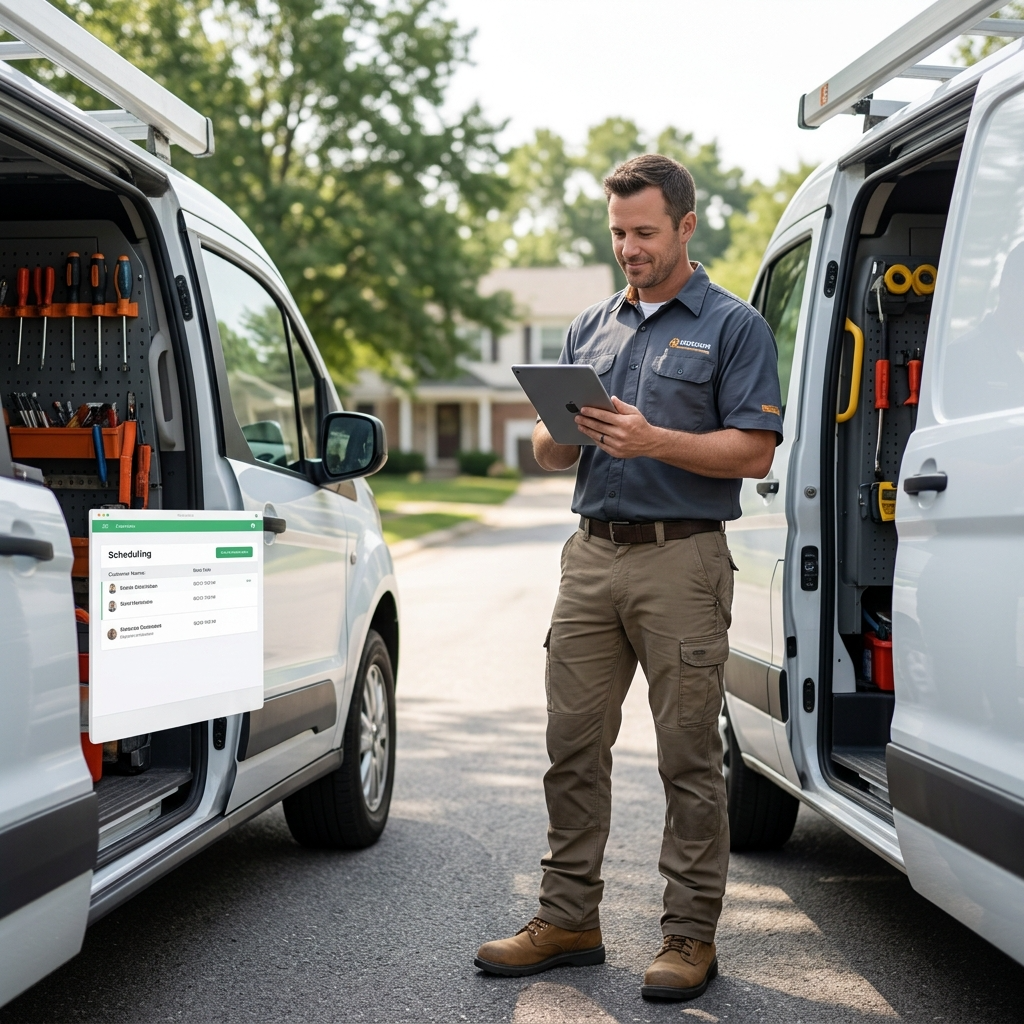
The engine behind AI follow-up automation is a trigger and condition system. You define what counts as a meaningful event, and the platform responds to it automatically.
Common triggers include a lead not responding within a set time window, a prospect visiting a pricing page without booking, a form submission with no follow-up contact, or an appointment inquiry that went unanswered. Each of these signals that the lead needs attention but has not yet received it.
Time-Based Triggers
Time-based triggers are the most straightforward. If a lead submits a contact form and no one has reached out within one hour, the system sends an automatic message. If that message goes unanswered for another 24 hours, a second follow-up goes out. The cadence is fully customizable, which means your business can decide how aggressive or gentle the follow-up sequence should be.
For service businesses like roofing companies, HVAC contractors, or dental practices, speed matters a lot. Studies consistently show that leads contacted within the first five minutes are far more likely to convert than those contacted after an hour. Automating that first response removes any delay caused by busy schedules or off-hours inquiries.
Behavior-Based Triggers
Behavior-based triggers are more sophisticated. These fire when a lead takes a specific action, such as clicking a link in a previous message, visiting a specific page on your website, or starting but not completing a booking. The system reads those signals as intent and responds with a message relevant to that specific behavior.
For example, if someone clicked on your pricing page after receiving an initial quote email, the follow-up might address common objections or offer to schedule a quick call. That kind of context-aware messaging is what separates AI follow-up automation from a basic autoresponder.
How Personalized Messages Are Sent Across Multiple Channels
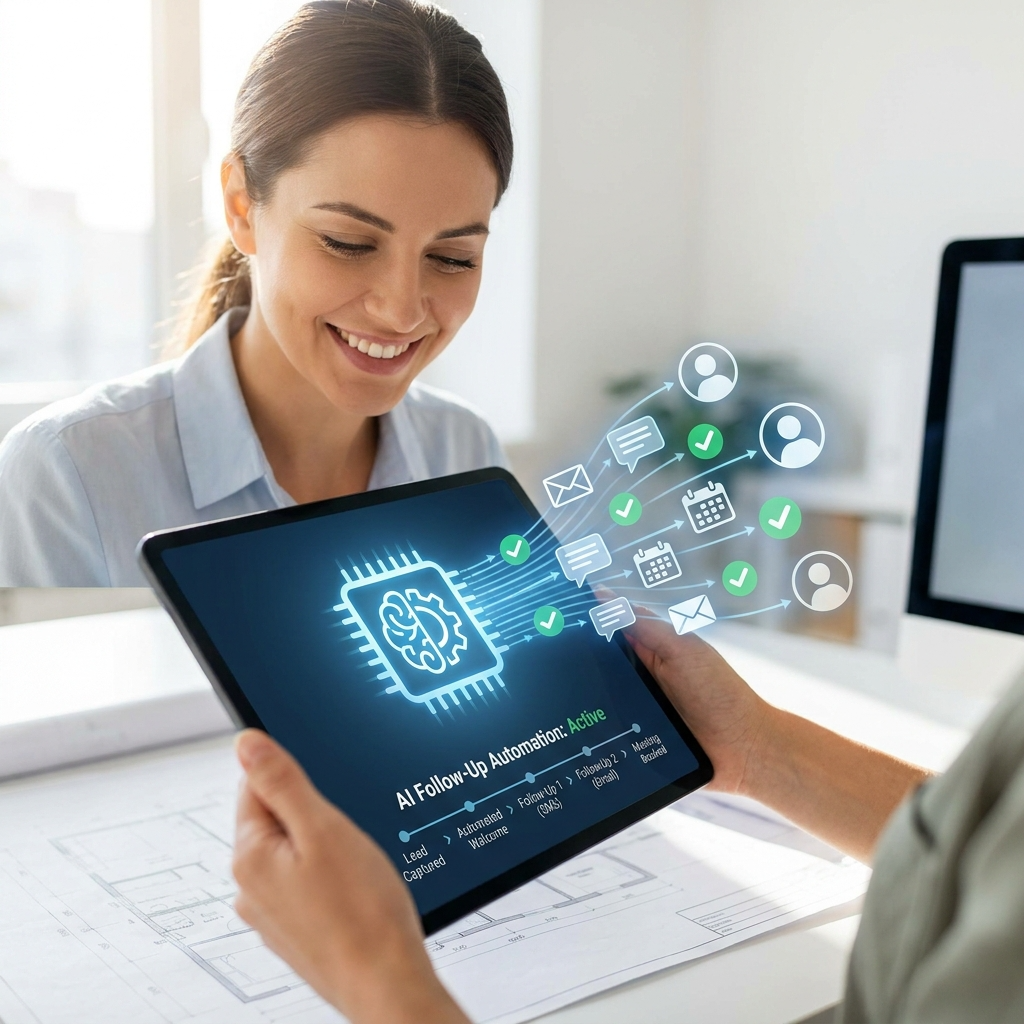
Once a trigger fires, the system selects the right message and the right channel. Most AI follow-up platforms support SMS, email, and website chat as the primary channels, with some also supporting social media direct messages and voice calls.
Channel selection is usually based on how the lead first made contact. If they reached out via SMS, the follow-up goes by SMS. If they submitted a web form with an email address, email is the primary channel. Some systems also run parallel sequences, sending an SMS first and then an email if there is no response after a set period.
Message Personalization at Scale
Personalization is what makes these messages feel genuine rather than robotic. The system pulls in data from the lead profile, including their name, the service they inquired about, the date of their last interaction, and any notes captured during qualification. This information is inserted into message templates dynamically, so each message reads as if it was written specifically for that person.
A roofing company might send a follow-up that says something like: “Hi [Name], just checking in on your roof inspection request from [day]. We have a team available in your area this week. Want to lock in a time?” That message is specific, timely, and action-oriented without anyone writing it manually.
Multi-Step Sequences
Effective follow-up rarely happens in a single message. AI follow-up automation supports multi-step sequences that spread outreach across several days or weeks. A typical sequence might include an immediate first response, a check-in after 48 hours, a value-add message after five days, and a final nudge at the two-week mark.
Each step can vary in tone and content. Early messages tend to be practical and action-focused. Later messages might share a customer testimonial, answer a common question, or offer a limited-time incentive. The goal is to stay present without being pushy.
Why Service Businesses Specifically Benefit From This

Service businesses face a unique challenge. Their teams are often in the field, on job sites, or with clients during the exact hours when new leads are coming in. A plumber cannot stop mid-job to respond to a new inquiry. A real estate agent cannot always take a call during a showing. That gap between lead arrival and first contact is where most opportunities are lost.
AI follow-up automation fills that gap without requiring anyone to be at a desk. The system handles the first response, qualifies the lead with a few quick questions, and either books the appointment automatically or passes the lead to a team member at the right moment. This keeps the pipeline moving regardless of what the rest of the team is doing.
Industries That See the Biggest Impact
The businesses that benefit most from AI follow-up automation tend to share a few traits: high lead volume, limited admin staff, and a long window between inquiry and conversion. This describes most service businesses.
Roofing companies, HVAC contractors, solar installers, med spas, dental clinics, law firms, and real estate teams all operate in environments where a missed follow-up directly costs revenue. For these businesses, automating the follow-up process is not just a convenience, it is a competitive advantage.
What Happens When a Lead Re-Engages
When a lead responds to a follow-up message, the system detects that re-engagement and transitions to the next step in the workflow. Depending on how your automation is set up, that next step might be an AI-driven qualification conversation, a direct handoff to a sales rep, or an automated appointment booking flow.
This transition is important because it determines whether the momentum carries forward. A well-built system does not just re-engage leads, it moves them toward a decision. That might mean asking two or three qualifying questions via SMS, confirming availability, and then sending a calendar link to book a call or service visit.
GetDMFlow, for example, connects follow-up automation directly to its AI appointment booking system. When a lead responds and confirms interest, the system can immediately offer available time slots and confirm the booking without any human involvement. That end-to-end flow is what makes the difference between a tool that sends messages and a system that actually converts leads.
How AI Follow-Up Automation Connects to Your CRM
A standalone follow-up tool is useful, but its real value comes when it is connected to your CRM. Every interaction, every message sent, every response received, and every status change gets logged automatically. This gives your team a complete picture of each lead without anyone having to update records manually.
CRM integration also allows the automation to make smarter decisions. If a lead was previously marked as not ready to buy, the system can re-enter them into a longer nurture sequence rather than pushing for an immediate appointment. If a lead was qualified but lost to a competitor three months ago, the system can flag them for a re-engagement campaign at the right interval.
This kind of intelligent pipeline management is what separates basic automation from a true AI-powered sales system. It is not just about sending messages. It is about using data to make better decisions at every stage of the follow-up process.
Common Mistakes Businesses Make With Follow-Up Automation
Setting up follow-up automation and forgetting about it is one of the most common mistakes service businesses make. The system needs to be reviewed regularly to make sure the messaging is still relevant, the sequences are performing well, and the triggers are firing correctly.
Another common issue is over-automating too early. If a lead has already spoken with someone on your team and expressed concern about pricing, sending them a generic re-engagement message the next day can feel tone-deaf. Good automation accounts for these nuances by checking CRM notes and lead status before sending.
Finally, many businesses underestimate how much channel choice matters. Sending five emails to someone who only ever responded to SMS is not effective follow-up. Matching the channel to the lead’s behavior is a basic principle that gets overlooked when automation is set up too quickly.
Frequently Asked Questions
What does AI follow-up automation actually do?
It automatically sends personalized messages to leads when they go quiet or take a specific action. The goal is to keep leads engaged without requiring manual effort from your team.
How is AI follow-up different from a basic email sequence?
A basic email sequence sends the same messages to everyone on a fixed schedule. AI follow-up automation adjusts based on lead behavior, channel preference, CRM data, and timing to make the outreach more relevant and effective.
How quickly does the system respond after a trigger fires?
Most systems respond within seconds of a trigger firing. For time-sensitive industries like HVAC or roofing, that immediate response can be the difference between winning and losing a lead.
Can AI follow-up automation handle leads from different channels?
Yes. Most platforms, including GetDMFlow, support SMS, email, website chat, and social messaging. The system tracks which channel the lead used and responds accordingly.
Will leads know they are talking to an AI?
That depends on how the system is configured. Many businesses set up their automation to feel like a team member is reaching out. For qualification and booking, fully automated conversations are common. For later-stage follow-up, a human handoff is often built in.
How do I know if my follow-up automation is working?
You track response rates, re-engagement rates, and conversion rates at each step of the sequence. A well-performing system should show measurable improvement in how many leads move from inquiry to appointment.
Is AI follow-up automation suitable for small service businesses?
Absolutely. In fact, small businesses often benefit the most because they have fewer staff to handle follow-up manually. Automating the process levels the playing field and ensures no lead falls through the cracks.
How long should a follow-up sequence be?
It depends on your sales cycle. For high-ticket services like roofing or solar, sequences of two to four weeks with five to eight touchpoints are common. For faster-moving services, a shorter sequence of three to five days may work better.
The Bottom Line
AI follow-up automation works by detecting when a lead needs attention and sending the right message through the right channel without anyone on your team having to do it manually. For service businesses that deal with high lead volume, busy schedules, and competitive markets, that kind of consistent and intelligent follow-up is no longer optional. It is how businesses stay ahead.
If you are losing leads because follow-up is inconsistent or delayed, automating that process is one of the highest-return changes you can make. The leads are already there. The automation makes sure you do not lose them.
